"Trauma is not pathology. It is biology." This episode maps early loss and survival strategies onto neuroscience of trauma, attachment, and addiction. Explores betrayal trauma, dissociation, addiction as regulation, post-traumatic growth, and integration as moving from fragmentation to coherence. Uses the "Green Square/Red Circle" framework and references kintsugi as healing without erasing the past.
🎙️ The Meaningful Shit Show
The Meaningful Shit Show reframes trauma, survival, and growth through neurobiology, psychology, and philosophy—turning raw human experience into coherent models for living with depth, clarity, and real-world insight.
Unpacks inherited stories about masculinity and their quiet damage. Covers the "man box," porn as classroom, hookup culture, red pill ideology, male pain and covert depression, friendship crisis and loneliness, and paths forward through DBT tools. Argues that "performance without presence is hollow" and explores trading performance for genuine connection.
Dissects DBT communication tools through film analysis and real-life examples. Examines why "perfect" communication backfires and explores scenes from Beautiful Boy and The Break-Up to show DEAR MAN and GIVE failures. Focuses on walking out of conversations without abandoning yourself.
A short solo episode using a drowning metaphor to explore emotional rock bottom. Connects Kierkegaard and Nietzsche to DBT concepts, arguing that "the fall is the path." Includes a disclaimer about addiction and the myth of needing rock bottom to change.
Breaks down mindfulness into "What" skills (what you do) and "How" skills (the mindset). Explores wise mind versus emotional mind, balancing logic and feeling, and why mindfulness matters beyond typical meditation stereotypes.
Differentiates pain from suffering, arguing suffering comes from resistance while pain can serve growth. References Stoic wisdom and Buddhist Four Noble Truths, exploring how choosing intentional pain—discipline, boundaries, honesty—leads to freedom and fulfillment.
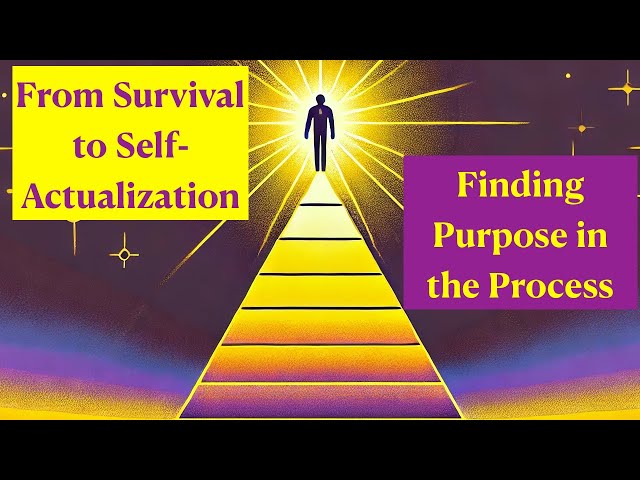
Explores "loving the process" using Maslow's hierarchy. Covers breaking free from societal expectations, micro-changes and habit-building, creating intrinsic motivation, and consistency tools for achieving self-actualization.
Connects acting's Meisner Technique to real-world authenticity. Discusses self-awareness, meta-feelings, staying present, aligning actions with values, the STOP method, and Frankl's pause between stimulus and response as tools for genuine connection.
Frames boundaries as acts of self-love, not control. Covers why they matter (defining values, preventing burnout, strengthening connections), how to set and hold them (clarity, enforcing consequences), and real-life examples from dating, finances, and sexuality.
Vincent explores history and details of nihilist, absurdist, and existentialist philosophies through personal anecdotes showing how these worldviews unlocked greater happiness and freedom from inherited meaning structures.
Examines addiction's psychological underpinnings and disease/behavioral duality. Covers DBT strategies including dialectical abstinence, community reinforcement, and urge surfing. Emphasizes community, self-awareness, and alternative rebellion paths as recovery tools.
Presents a three-part framework: believing the goal is valuable, believing in your worthiness, and trusting the process moves you closer. Practical strategies include self-care, mindfulness, accountability, planning, and building mastery.
Vincent introduces the podcast's mission to inspire inner work on emotion regulation, personal development, DBT, philosophy, and trauma healing. Explains the title as a pun about life being meaningful yet messy—"the meaningful shit show."
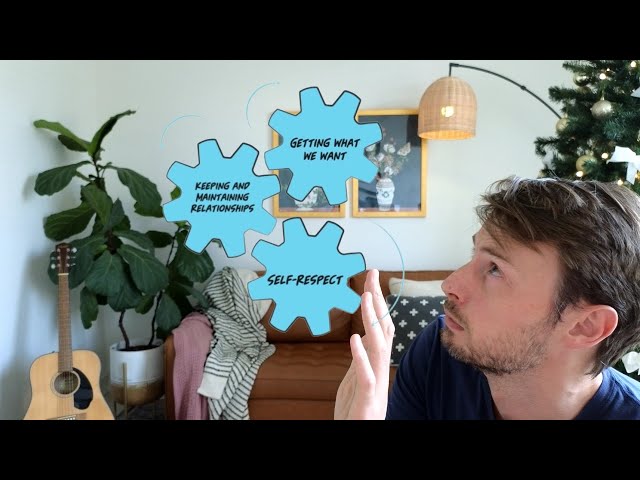
The extended rant version exploring emotion regulation and DBT's effectiveness skill. Arguments that most emotional urges have selfish objectives less important than connections and self-respect, urging alignment with your highest self.
Introduces the effectiveness skill alongside checking facts, opposite action, and problem-solving. Contends that relationships and life purpose often outweigh immediate emotional objectives when prioritizing wisely.
Covers the second part of distress tolerance: radical acceptance. Explains how accepting reality, rather than fighting it, actually helps address problems and move through crisis toward healing.
First distress tolerance section teaching crisis survival skills to avoid making situations worse. Targets those who react explosively or sink into paralysis, offering tools to tolerate distress with organized techniques.
Explores four happiness molecules and seven practices for balanced neurochemistry. Discusses corralling reward centers and building sustainable happiness through understanding these neurotransmitters.
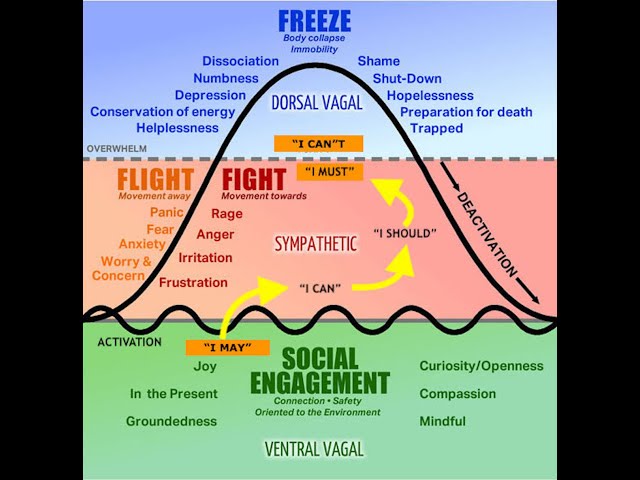
Explains vagus nerve activation, polyvagal theory, and parasympathetic nervous system regulation. Teaches practical techniques like cold stimulation for triggering calm states during distress.
Covers building resilience through accumulating positive experiences, mastery, coping ahead, and P.L.E.A.S.E. self-care (physical illness, eating, avoiding substances, sleep, exercise). Prevention-focused skills precede crisis management.
Addresses emotion regulation struggles using emotion wheels and DBT frameworks. Targets those experiencing severe consequences from outbursts or self-medicating through compulsive behaviors.
Explores belief formation, their relationship to values, goals, attitudes, and behaviors. Examines how to make beliefs serve you rather than hinder you through intentional restructuring.
Foundational episode examining values, their importance in decision-making, and practical exercises for identifying and clarifying personal values through card sorts and reflection exercises.